 For sale
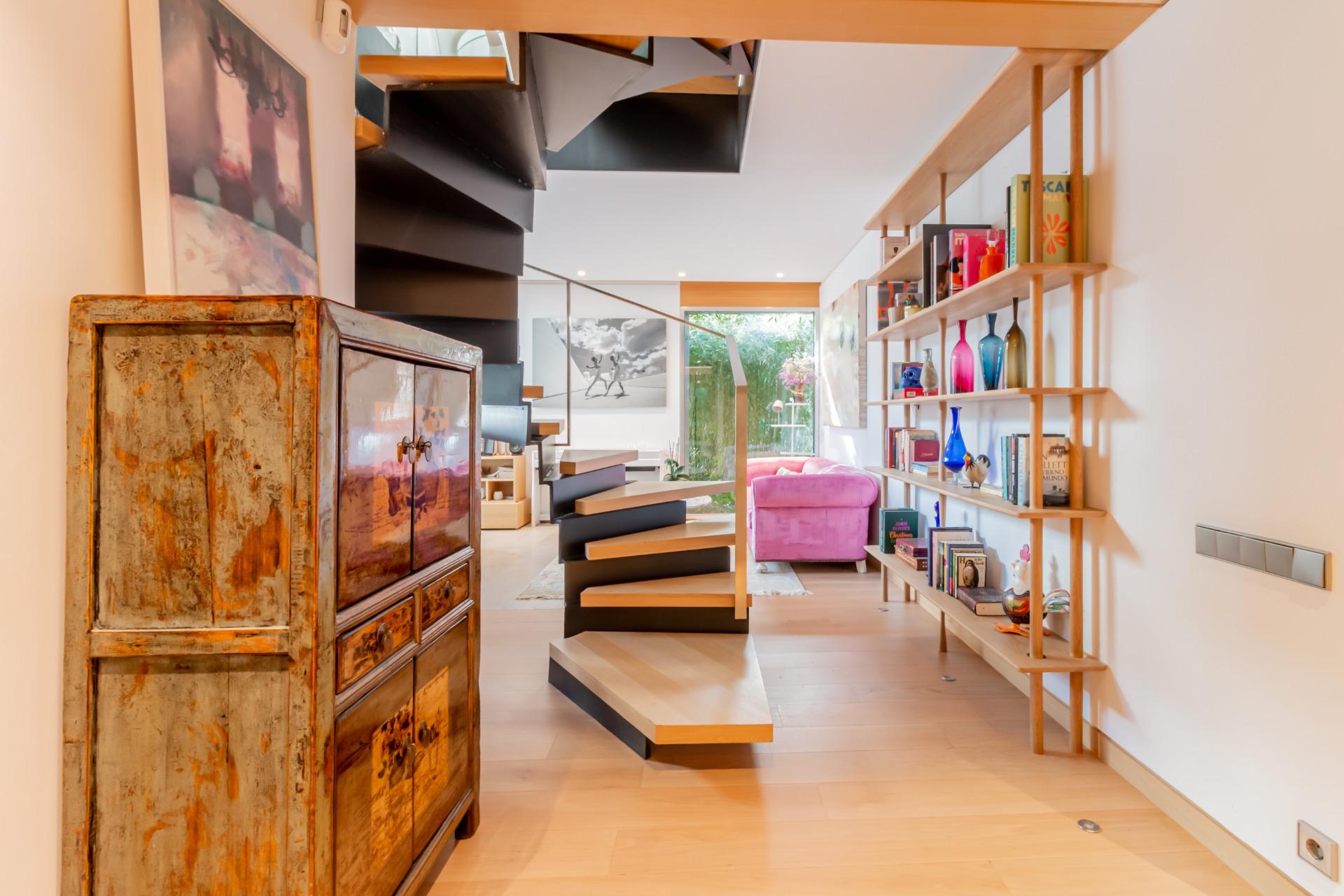
Selling your home in Madrid
Your home does not need forty viewings. It needs the right three.
Your home, sold with good judgement
Selling an apartment in Madrid starts with three questions: what it is worth, who will buy it, and what you keep once costs and taxes are paid. All three can be answered before a single listing goes live, and that is always where we begin.
Selling a fine home is not a question of volume but of judgement: knowing who buys in each neighbourhood and why they pay what they pay. That has been our work at Juvilma since 1991. Today you will find us at our office at Serrano 63.
Whether you live in Madrid or abroad, here is what owners usually ask before deciding: how we work, what selling costs, and the questions that always come up, answered plainly.
An honest opinion
We tell you what your home is likely to be worth, and why. If the price you have in mind is not the market’s, we tell you that too: it is the part of the work owners thank us for later.
Your home, properly presented
We prepare the home so that it looks as it does on its best day: photography, video and words that do it justice. If it helps, we get it ready first with home staging. And we show it to the people who follow us on Instagram and TikTok.
Completion at the notary, without a wasted afternoon
We screen who views your home, handle the negotiation and prepare the deposit contract and the notary appointment with you. You decide each step; we take care of the paperwork.
How to sell a property in Madrid, step by step
- A price you can defend. The asking price decides almost everything else. Better a price backed by recent sales nearby than a high one that has to come down two months later.
- The paperwork, in order. Before showing the home, have to hand the title deed or a land registry extract (nota simple), the latest property tax receipt (IBI), the energy performance certificate and a certificate from the owners’ association confirming you are up to date. If there is a mortgage, the loan details.
- The home, well presented. Order, light and photographs that do not mislead. Sometimes it is enough to clear away half of what is there; sometimes home staging is worth it.
- Viewings with a filter. Showing the home to people who can buy it, not to whoever happened to be passing. Fewer viewings, better used.
- Negotiation and the deposit contract. When a serious offer arrives, a deposit contract (contrato de arras) is signed, fixing the price, the timing and the conditions until completion.
- The notary. The deed of sale is signed before a notary, any mortgage is paid off and cancelled, and the keys are handed over.
Selling with or without an exclusive agreement
With an exclusive (sole agency) agreement, one agency handles your home and is accountable for it: one price, one point of contact and one consistent way of presenting it. Without exclusivity, several agencies advertise it at once, sometimes with different prices and photographs, and buyers notice. Whichever you choose, what matters is in the agency agreement (hoja de encargo): what it includes, how long it lasts, what it costs and how to bring it to an end.
How long does it take to sell?
It depends above all on the asking price, the home and the neighbourhood. We will not promise you a timescale in a headline. We will tell you, with the valuation in front of us, what period is reasonable for your home and what we would do if it is not met.
Selling property in Spain as a foreigner or non-resident
You can sell from abroad, but two rules change what you receive on the day. If the seller is not resident in Spain, the buyer withholds 3% of the price and pays it to the Spanish tax authority on account of the seller’s tax, and, if the seller is an individual, the municipal capital gains tax (plusvalía) is paid by the buyer on the seller’s behalf. Plan for both when you work out what you will receive at the signing.
Guides for owners
Homes we are selling now
- For sale
 For sale
 For sale
The people who will look after your home
Meet the team before you decide: these are the people who will handle the sale of your home.
What owners ask us
How do I sell my property in Madrid?
Start by finding out what it is really worth, with reasoned arguments rather than the price next door. Then gather the basic papers: title deed or land registry extract, property tax receipt, energy performance certificate and the owners’ association certificate. With those, you decide how to sell and with whom. If you choose an agency, read the whole agency agreement before signing: fees, duration and how to end it.
What is the best way to sell a property in Madrid?
The one that combines a defensible price, a well-presented home and viewings by buyers who can afford it. Selling privately saves the agency fee, but you will screen the calls, show the home and negotiate yourself. With an agency you hand all of that over; choose one that explains its method, gives you a named contact and tells you the truth about the price.
What documents do I need to sell a property in Spain?
Usually the title deed or a land registry extract, the latest property tax (IBI) receipt, the energy performance certificate, a certificate from the owners’ association confirming there are no debts, and your identity document. If there is a mortgage, the bank will issue a certificate of the outstanding balance so it can be cancelled at the signing. The notary may ask for more, depending on the case.
Do you have to pay tax when you sell a property in Spain?
Yes, in most cases. The seller pays the municipal capital gains tax (plusvalía) on the increase in the land’s value, and income tax on any gain between the purchase and the sale. If the seller is not resident in Spain, the buyer also withholds 3% of the price on account of that tax. Our guide to costs and taxes explains each one.
How long does an exclusive agreement with an estate agent last?
There is no period fixed by law: the exclusivity lasts as long as the agency agreement says, and the agreement should also state any renewal and how it can be ended early. Read those clauses before signing, and ask what happens if you sell directly while it is in force.
What are the most common mistakes when selling a home?
Starting at a price the market will not pay and lowering it too late, when the listing already looks tired. Showing the home to anyone. Publishing photographs that do not do it justice. Signing a deposit contract without checking its conditions. And discovering at the notary that a certificate is missing or community fees are owed. Almost all of them are avoided with an honest valuation and the papers ready from the start.
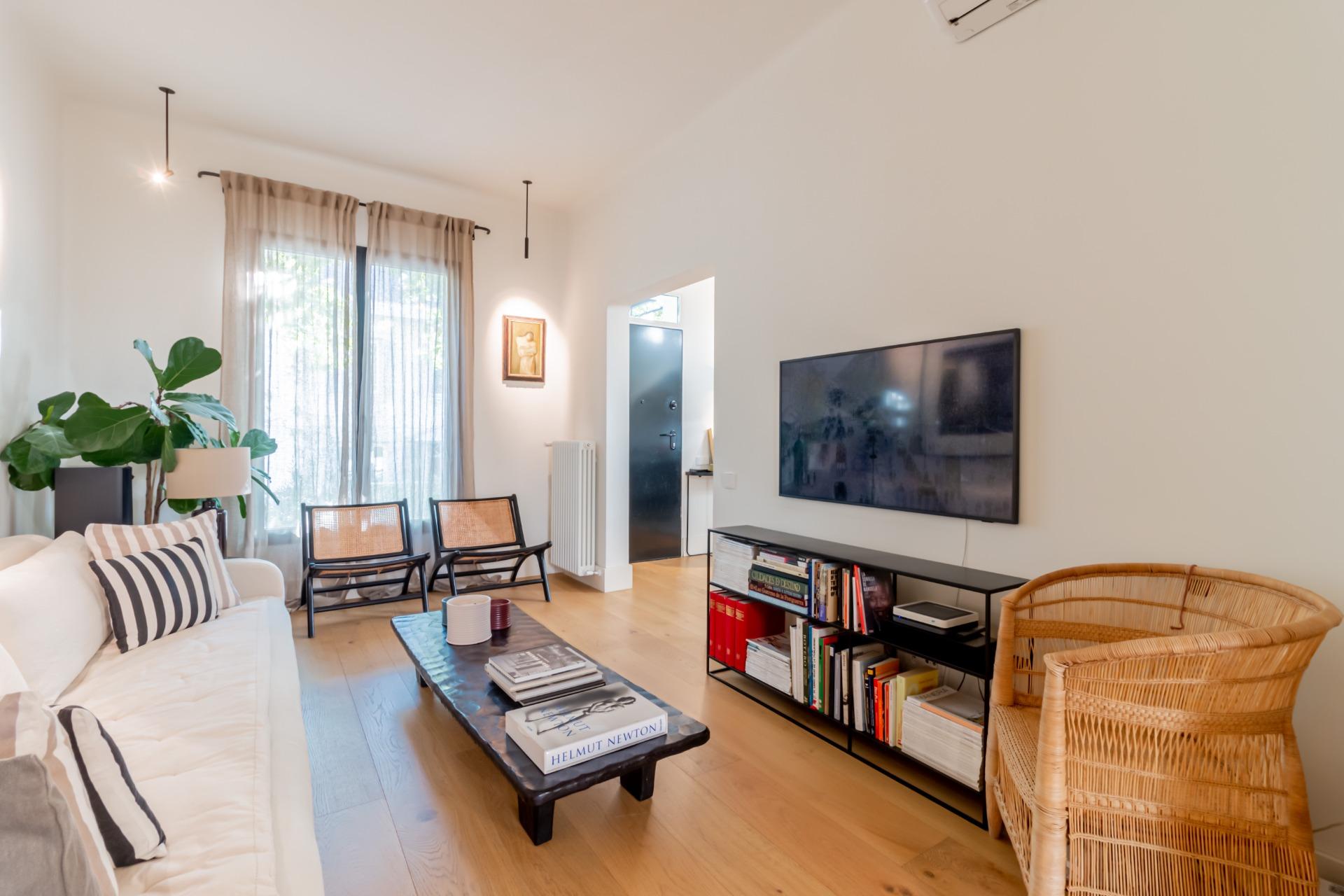
Let’s talk about your home.
A calm conversation with someone who knows your neighbourhood. You decide, with the facts in front of you.